PDF

Envoyer par mail

Gare - Lampisterie

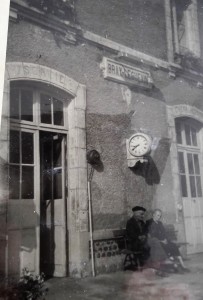
histoire de la gare de Brax

Comment évoquer la gare sans parler de madame Marie Courties qui en fut la dernière gérante. Elle occupa le lieu, au premier étage, avec sa famille, du 15 novembre 1965 à la fin 1976.
Très soucieuse de l'embellissement des abords des bâtiments, elle a obtenu de nombreux prix pour " la gare la plus fleurie et la plus accueillante "!

En 1976, c'est la fermeture de la gare.

Après leur départ, le logement sera affecté à la famille d'une institutrice, les locaux techniques et l'accueil des passagers seront dédiés à diverses associations braxéennes.

Le 2 septembre 1985, c'est l'ouverture de la nouvelle gare de Brax-Léguevin; elle fut construite en un temps record, à peine 3 mois après l'acceptation du permis de construire. Outre le bâtiment d'accueil des passagers, il a été aménagé une voie d'évitement pour permettre aux trains de se croiser et de créer un terminus pour certaines rames. Ces aménagements ont amélioré la desserte de la banlieue ouest de Toulouse en augmentant le nombre d'aller retour.

En 2012, la décision est prise de réhabiliter l'ancienne gare pour devenir la MVA: Maison de la Vie Associative.

The Old Railway Station - The Lamp Room

The imperial decree of 17th June 1865, declared the construction of the Toulouse-Auch railway line to be in the public interest.

At that time, Pibrac was becoming famous because of its shepherdess, Germaine Cousin. When she was canonized in 1867 pilgrims flocked to Pibrac and to ease such numbers, Father Tesseyre, parish priest of Pibrac, sent a petition with over 300,000 signatures to Empress Eugénie de Montijo requesting that the initial railway route be modified to pass through Pibrac.

After much negotiation, the land survey plan for the Toulouse-Auch railway line was signed on 30th November 1869.

The final route cut Brax in two leading to the locations of the level crossings, the gatekeeper's houses, and also the creation of a parallel road alongside the track. The location of the station in the south of the village was decided on by the “Departmental Prefect” officials.

On 22nd October 1877, the station became operational. The station building welcomed passengers on the ground floor while the stationmaster lived upstairs. A goods shed adjoined the building and included a canopy protecting the unloading platform.

One hundred years later, this building was repurposed and currently houses meeting rooms for community activities.


The Lamp Room

 It was built at the same time as the train station. This storage and repair room was used to store portable lamps as well as maintenance tools for the railway station.

This building also served as public toilets for travelers.